 BOOK
BOOK APPOINTMENT
BOOK 
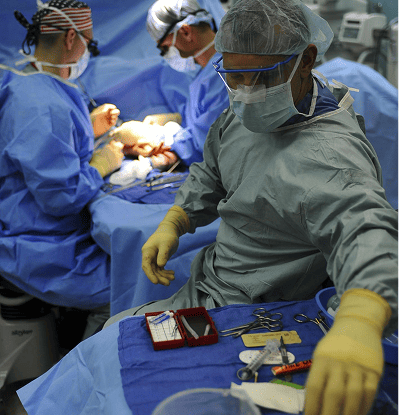

Oral cancer is a major public health concern in India and several other Asian countries. While oral squamous cell carcinoma accounts for only about 3% of cancers in countries such as the United States, it contributes to nearly 30% of cancers in India and parts of Asia, making it one of the most common cancers in the region. Globally, tens of thousands of people are diagnosed with oral cancer every year, and many lose their lives due to late detection.
In India, the burden of oral cancer is especially high. The country records more than 1,00,000 new cases of oral cavity cancers every year, giving India the highest prevalence of oral cancer in the world, estimated at 19 per 1,00,000 population. Oral cancer is the most common cancer among men and the third most common cancer among women in India, accounting for approximately 13–16% of all cancers. Alarmingly, nearly 95% of oral cancers in India are linked to tobacco use, highlighting the strong association between lifestyle habits and disease risk.
Oral cancer refers to cancer that develops in any part of the oral cavity, including the lips, tongue, inner lining of the cheeks, roof or floor of the mouth, and surrounding areas. It usually begins as a small lesion or patch and may progress silently if not detected early. Because the mouth is easily accessible for examination, oral cancer is one of the few cancers where early detection is both possible and highly effective, provided symptoms are recognised and evaluated in time.
Risk factors for oral cancer are well established. The most significant risk factor is the use of tobacco in any form, including smoking cigarettes or bidis, chewing tobacco, gutkha, khaini, pan masala, and betel quid. Alcohol consumption further increases the risk, especially when combined with tobacco use. Other contributing factors include poor oral hygiene, chronic oral infections, nutritional deficiencies, prolonged sun exposure (particularly for lip cancer), and certain viral infections. Individuals with long-term exposure to these risk factors are at a substantially higher risk of developing oral cancer.
The signs and symptoms of oral cancer are often subtle in the early stages and are frequently ignored or mistaken for minor oral problems. Common warning signs include persistent red or red-and-white patches in the mouth, white patches larger than two centimetres, mouth ulcers that do not heal within three weeks, unexplained swelling in the mouth, pain or difficulty while chewing or swallowing, difficulty speaking or moving the tongue, reduced mouth opening, persistent jaw or neck pain, hoarseness of voice, unexplained weight loss, changes in taste sensation, intolerance to spicy foods, excessive salivation, ear pain, and swelling of lymph nodes in the neck. Any symptom that persists beyond two to three weeks should be evaluated by a healthcare professional.
Prevention plays a crucial role in reducing the burden of oral cancer. Avoiding known risk factors is the most effective preventive strategy. Quitting tobacco significantly reduces the risk of oral cancer; studies show that the risk drops by nearly 50% within 5 to 9 years of quitting and can eventually approach that of a non-user over time. Reducing or stopping alcohol consumption also lowers long-term risk. Maintaining good oral hygiene, ensuring proper nutrition with adequate intake of fruits and vegetables, limiting sun exposure, and addressing oral infections promptly can further reduce risk. Regular self-examination of the mouth and routine dental check-ups are simple yet powerful preventive measures.
Screening and early detection are critical in reducing deaths due to oral cancer. A simple visual examination of the oral cavity by a trained healthcare professional can detect early lesions. Screening is especially important for individuals aged 30 years and above, particularly those who use tobacco or alcohol. Screening methods include structured questionnaires, oral visual inspection, self-examination, and confirmation through biopsy when suspicious lesions are identified. Despite the ease of screening, many oral cancers are diagnosed at an advanced stage, when the disease has already spread, leading to poorer outcomes.
Oral cancer is largely preventable and highly curable when detected early. Awareness of risk factors, recognition of early symptoms, avoidance of tobacco, and participation in regular screening can dramatically reduce the impact of this disease. Early reporting and timely diagnosis can save lives and significantly improve the quality of life for patients across India.