 BOOK
BOOK APPOINTMENT
BOOK 
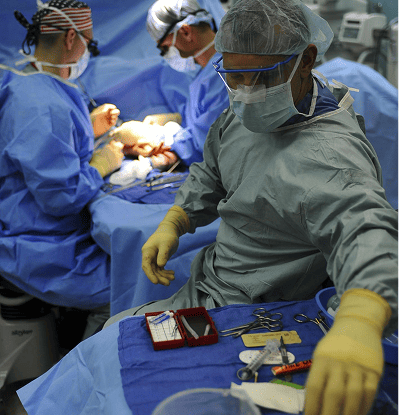

Lung cancer, also known as lung carcinoma, is a condition in which abnormal cells grow uncontrollably in the lungs and form a malignant tumour. These cancerous cells can interfere with normal lung function and, over time, may spread to other parts of the body. Lung cancer is one of the most common and serious cancers worldwide and affects both smokers and non-smokers. Understanding lung cancer—its causes, symptoms, types, and methods of diagnosis—is an important first step toward timely medical attention.
Lung cancer is broadly classified based on how the cancer cells appear under a microscope. The two main types are non-small cell lung cancer (NSCLC) and small cell lung cancer (SCLC). Non-small cell lung cancer is the most common type and includes subtypes such as adenocarcinoma, squamous cell carcinoma, and large cell carcinoma. These cancers usually grow and spread more slowly. Small cell lung cancer is less common but tends to grow rapidly and spread earlier in the course of the disease. In some cases, lung cancer that starts in one lung may spread to the other lung or to distant organs, a condition known as metastatic lung cancer. There are also other cancers that can develop in or around the lungs, such as pleural mesothelioma, lymphomas, or sarcomas, which are distinct conditions and managed differently.
Several factors are known to increase the risk of developing lung cancer. Tobacco smoking remains the leading cause, with risk increasing based on the number of cigarettes smoked and the duration of smoking. Exposure to secondhand smoke can also raise risk. Radon gas, a naturally occurring radioactive gas that can accumulate in enclosed spaces, is another significant cause.
Occupational exposure to substances such as asbestos, arsenic, chromium, nickel, cadmium, and soot increases risk, particularly in certain industries. Long-term exposure to air pollution has also been linked to lung cancer. Other risk factors include a family history of lung cancer, previous radiation therapy to the chest, chronic lung diseases such as chronic obstructive pulmonary disease (COPD) or pulmonary fibrosis, increasing age, certain infections like tuberculosis, and genetic susceptibility.
Symptoms of lung cancer can vary widely and may depend on the size and location of the tumour and whether it has spread. In many cases, early lung cancer causes few or no symptoms, which can delay diagnosis. When symptoms do occur, early signs may include a persistent or worsening cough, coughing up blood or phlegm, chest pain that worsens with deep breathing or coughing, shortness of breath, wheezing, hoarseness, fatigue, loss of appetite, and unintended weight loss. Recurrent respiratory infections such as pneumonia or bronchitis may also be a warning sign.
As lung cancer progresses, additional symptoms may appear depending on where the cancer has spread. These can include lumps in the neck or collarbone area, bone pain, headaches, dizziness, balance problems, numbness or weakness in the limbs, jaundice, swelling of the face or upper body, shoulder pain, or neurological symptoms. In some cases, lung tumours may produce hormone-like substances, leading to a group of symptoms known as paraneoplastic syndromes, which can cause muscle weakness, confusion, seizures, changes in blood sugar levels, nausea, or high blood pressure.
Once lung cancer is suspected, diagnosis involves a systematic and stepwise evaluation. The process usually begins with a detailed medical history, where the doctor asks about symptoms, smoking habits, occupational or environmental exposures, previous illnesses, and family history of cancer. A thorough physical examination is then performed to assess overall health and look for signs that may suggest lung disease or cancer spread.
Imaging studies play a crucial role in detecting and evaluating lung cancer. A chest X-ray is often the first test to identify abnormal areas in the lungs. A computed tomography (CT) scan provides more detailed cross-sectional images and helps determine the size, shape, and exact location of a tumour, as well as the involvement of nearby lymph nodes. Positron emission tomography (PET) scans may be used to assess whether cancer has spread to other parts of the body by detecting areas of increased metabolic activity. Magnetic resonance imaging (MRI) is particularly useful when there is concern about spread to the brain or spinal cord.
Laboratory tests also contribute to diagnosis. Sputum cytology involves examining mucus coughed up from the lungs to look for cancer cells. Blood tests, while not diagnostic on their own, help assess overall health and organ function. A definitive diagnosis of lung cancer requires a biopsy, in which a sample of tissue or fluid is examined under a microscope. This can be done using techniques such as bronchoscopy, needle biopsy, thoracentesis, or surgical biopsy, depending on the location of the suspected tumour.
After lung cancer is confirmed, staging is performed to determine how far the disease has spread within the lungs or to other parts of the body. Staging provides critical information about the extent of disease and forms the basis for further medical decision-making.