 BOOK
BOOK APPOINTMENT
BOOK 

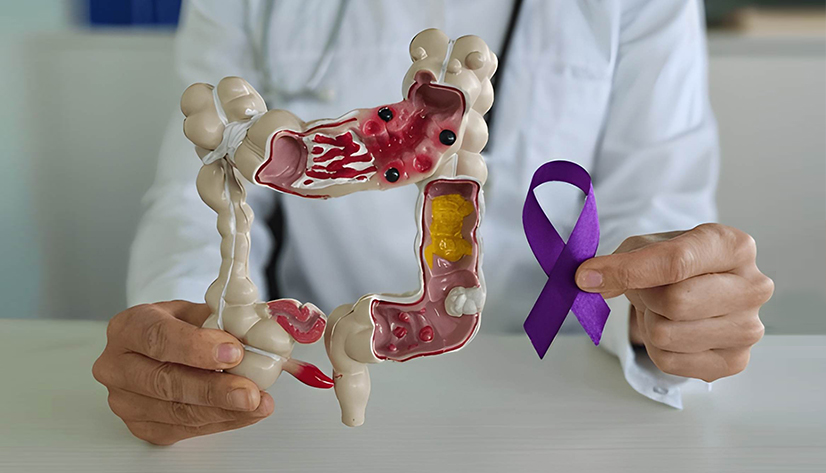
Gastrointestinal (GI) cancers are cancers that begin anywhere in the digestive system. The digestive system includes the organs that help the body swallow food, digest it, absorb nutrients, and remove waste. GI cancer is not one single disease; it is a group of cancers that can arise in different organs such as the oesophagus (food pipe), stomach, small intestine, colon, rectum, liver, gallbladder, bile ducts, and pancreas. Because these organs have different functions, the type of GI cancer, the symptoms, and the way it is detected can vary depending on where the cancer starts.
There are several types of GI cancers, and they are usually named according to the organ involved. Common examples include oesophageal cancer, stomach (gastric) cancer, colon cancer, rectal cancer, pancreatic cancer, liver cancer, gallbladder cancer, bile duct cancer (cholangiocarcinoma), anal cancer, and small intestine cancer.
Some rare tumours also arise from specific cells within the digestive tract, such as gastrointestinal stromal tumours (GIST), which often occur in the stomach or intestines. While each of these conditions is different, they are grouped together because they affect the digestive system and often share overlapping risk factors and warning signs.
Doctors also describe GI cancers by “stage,” which means how far the cancer has grown or spread. A common approach used across many GI cancers is the TNM system, which looks at the size and extent of the primary tumour, whether nearby lymph nodes are involved, and whether the cancer has spread to distant organs (metastasis).
In general terms, Stage 0 refers to very early changes limited to the inner lining; Stage I and II usually indicate the cancer is still relatively localised but may have grown deeper into the organ wall; Stage III often means nearby lymph nodes are involved; and Stage IV indicates spread to distant organs such as the liver, lungs, bones, or other sites. Sometimes cancer may return after being controlled for a period, and this is described as recurrent disease. Staging is usually determined using scans and internal examinations and helps doctors understand the extent of the illness.
Symptoms of GI cancers can be vague at first and may resemble common digestive problems, which is why many people delay seeking medical advice. The warning signs also differ depending on the site involved. Common symptoms include persistent abdominal pain or discomfort, changes in bowel habits such as constipation or diarrhoea, and changes in stool size or shape. Blood in the stool can occur and may appear as bright red blood or dark, tarry stools.
Some people experience difficulty swallowing, especially when the oesophagus or stomach is involved. Unexplained weight loss and loss of appetite can occur when the body is under stress from cancer or when digestion and nutrient absorption are affected. Nausea and vomiting may be seen when the stomach or small intestine is involved. Jaundice—yellowing of the skin and eyes—may occur when the liver, bile ducts, or gallbladder is affected. Many patients also report fatigue, which can happen due to anaemia, nutritional deficiency, or the body’s ongoing response to disease. Importantly, some GI cancers may not produce clear symptoms until they are more advanced, which is why persistent or unusual digestive symptoms should not be ignored.
GI cancers can develop due to a combination of factors, and many of these are related to long-term habits and health conditions. Smoking is a known risk factor for several GI cancers, including cancers of the oesophagus, stomach, and pancreas, because tobacco-related chemicals can damage the lining of the digestive tract over time. Excessive alcohol intake over many years is linked to increased risk of cancers affecting the mouth, throat, oesophagus, and liver, as alcohol can irritate tissues and contribute to cellular damage.
Age is also a factor; while GI cancers can occur at any age, risk tends to increase as people grow older, which is why routine health check-ups become more important with time. Diet plays a role as well. A diet high in animal fats, red meat, and high-fat dairy products has been associated with a higher risk of colorectal cancer, while high salt intake—often from processed and preserved foods—has been linked to stomach cancer due to damage to the stomach lining.
Obesity is another established risk factor for several GI cancers, including cancers of the oesophagus, stomach, and colon, possibly due to chronic inflammation and hormonal changes. Certain medical conditions can also raise risk, such as chronic pancreatitis, which increases the likelihood of pancreatic cancer over time.
Diagnosis of GI cancer usually follows a step-by-step process. It begins with a medical history and physical examination, where the doctor asks about symptoms, their duration, personal health history, family history, and known risk factors. Depending on symptoms, examination may include a rectal examination. Imaging tests such as ultrasound, CT scan, or MRI can help identify abnormal growths and assess organs more clearly. In many GI conditions, endoscopy is used—this involves a flexible tube with a camera to look inside the digestive tract and identify suspicious areas.
A biopsy is the most definitive method to confirm cancer; it involves taking a small tissue sample from the suspected area and examining it under a microscope. Blood tests may also be recommended to assess overall health and to look for certain tumour markers linked with specific cancers, such as CA 19-9 (often associated with pancreatic cancer) or CEA (commonly associated with colorectal cancer), though these tests alone cannot confirm cancer.
The key message for patients is that persistent digestive symptoms deserve attention. Many causes are harmless, but if symptoms are unusual, worsening, or lasting beyond a few weeks, timely medical evaluation helps reach a clear diagnosis and reduces delays in care.